

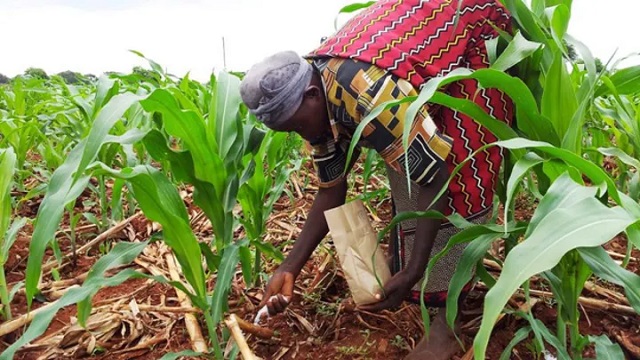
The intricate relationship between agriculture and the environment underscores the need for sustainable practices that ensure food security while preserving the health of ecosystems. As the global population continues to grow, striking a balance between agricultural productivity and environmental conservation becomes paramount. Exploring the interplay between agriculture and the environment reveals the potential for sustainable futures.
- Biodiversity Preservation: Agriculture and biodiversity are closely intertwined. Sustainable agricultural practices prioritize the preservation of biodiversity by avoiding monoculture and promoting the coexistence of various plant and animal species. This approach enhances ecosystem resilience and contributes to the long-term health of the environment.
- Soil Health: The health of soil is fundamental to agricultural sustainability. Practices such as crop rotation, cover cropping, and reduced tillage maintain soil fertility and structure, preventing erosion and degradation. Healthy soils not only support robust crop growth but also sequester carbon, mitigating the impacts of climate change.
- Water Conservation: Agriculture is a significant consumer of water resources, making water conservation a crucial aspect of sustainable farming. Implementing efficient irrigation methods, adopting water-smart crop choices, and managing water runoff contribute to the conservation of this precious resource.
- Agroecology:Agroecology integrates ecological principles into agricultural systems, emphasizing the importance of working with nature rather than against it. This approach promotes the use of natural predators for pest control, the incorporation of organic matter for soil health, and the reduction of chemical inputs, fostering a more harmonious relationship between agriculture and the environment.
- Climate-Resilient Agriculture: Climate change poses challenges to agriculture, including shifts in weather patterns, increased temperatures, and extreme weather events. Implementing climate-resilient agricultural practices involves adapting farming methods to changing conditions, employing drought-tolerant crops, and prioritizing sustainable land management.
- Reducing Food Waste: Addressing the environmental impact of agriculture extends beyond the field. Reducing food waste along the supply chain is integral to sustainability. Efforts to minimize post-harvest losses, improve storage and transportation, and encourage responsible consumption contribute to a more sustainable food system.
- Regenerative Agriculture: Regenerative agriculture focuses on restoring and enhancing ecosystem functions through agricultural practices. This approach aims to build soil health, sequester carbon, and promote biodiversity, fostering a regenerative cycle that benefits both agriculture and the environment.
- Community Engagement: Sustainable agriculture involves the engagement of local communities. Encouraging community-supported agriculture, promoting farmers’ markets, and educating consumers about sustainable food choices create a holistic approach that integrates social, economic, and environmental considerations.
In conclusion, the interplay between agriculture and the environment necessitates a shift toward sustainable practices. By prioritizing biodiversity, soil health, water conservation, and climate resilience, individuals and communities contribute to building a more sustainable and resilient future where agriculture and the environment coexist harmoniously.
Please feel free to reach out to our advisor, Kaggwa Andrew, at 0702081492 or 0784508135 for further discussions and valuable insights. Additionally, he leads a team of experts specializing in research writing, supporting in course works, examination preparation, and handling various assignments for PhDs, Masters, and undergraduates.
